Ten Minutes on Site: The Small Tells That Reveal How Well a Contractor Knows Your Building
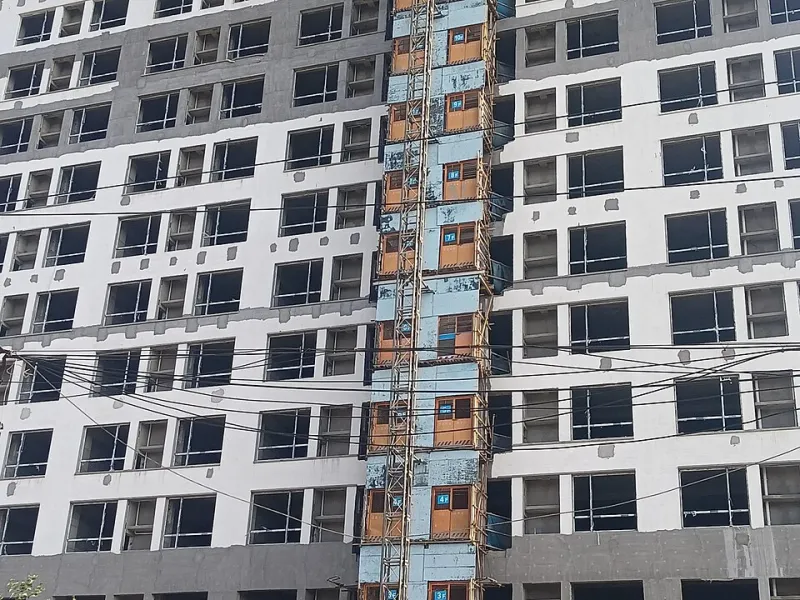
Photo: Fumikas Sagisavas, CC0, via Wikimedia Commons
Most commercial clients evaluate contractors the same way they evaluate vendors: review the portfolio, check the references, compare the numbers. All of that matters. But there is a faster, cheaper, and often more revealing test available to any facility manager or building owner — and it takes about ten minutes.
Walk a prospective contractor through your building. Not a formal site visit with a prepared presentation. Just a walkthrough. What the contractor notices, asks about, and ignores in those first few minutes says a great deal about how the project will actually go.
Watch Where Their Eyes Go First
Experienced contractors read a building the way a mechanic reads an engine. Before they look at the space you want renovated, they look at everything around it.
A seasoned builder will track drainage patterns on the day of a rainstorm, glance at the roofline, and check where downspouts discharge. They will notice the slope of the loading dock apron and whether surface water has any realistic path away from your foundation. If your project touches the building envelope at all, this matters enormously — water problems disguised as finish problems are among the most common sources of warranty disputes.
What to ask: "What did you notice about how water moves around this site?" A contractor who has a ready answer is one who has already started thinking about your building as a system rather than a scope of work.
How They Read Existing Conditions
Every occupied commercial building carries a history, and it is written in the ceilings, walls, and mechanical spaces. The question is whether your contractor knows how to read it.
In the first ten minutes, a capable contractor will typically:
- Look up. Ceiling grids, soffits, and exposed structure reveal routing conflicts, past renovations, and available plenum space before anyone opens a drawing set.
- Ask about the building's age and renovation history. A 1980s office tower and a 2000s medical plaza present very different — and very predictable — challenges behind the walls.
- Ask to see the mechanical room. Not because it is glamorous, but because the capacity and condition of existing systems drive more change orders than almost anything else.
- Note areas that appear to have been patched or reconfigured. Previous work is where surprises live.
What to ask: "What existing conditions would you want to verify before pricing this?" Vague answers here are a warning sign. Contractors who price blindly in existing buildings are, in effect, handing you the contingency fund and hoping for the best.
Staging and Logistics: The Tell Most Clients Miss
Here is the observation that separates contractors who build in commercial environments from contractors who build, period: the good ones immediately start thinking about logistics, not just construction.
Watch for questions like: Where would a dumpster and material laydown area go without blocking your tenant parking? Is there a freight elevator, and what are its hours and weight limits? Which entrance can crews use without crossing the main lobby? Where do trades park when the lot is already full at 8 a.m.?
A contractor who asks these questions on the first visit understands that your building does not stop operating because construction started. One who only discusses the work area itself may deliver a fine product — while your tenants spend eight months negotiating parking spaces and dodging drywall carts.
What to ask: "How would you phase the work to keep our operations running?" The specificity of the answer tells you whether operations were an afterthought or a starting point.
How They Treat Your People
The walkthrough is also a live audition for communication style. Notice whether the contractor directs questions to you alone or engages your facility staff, who often know more about the building's quirks than any set of drawings. Notice whether they listen to answers or simply wait to speak.
Construction projects run on information flow. A contractor who dismisses the building engineer during a walkthrough is signaling how your calls will be handled during week fourteen.
What to ask yourself: Did this person make the walkthrough feel like a conversation or an inspection? Both styles exist in the industry; only one tends to surface problems early.
A Simple Checklist for Your Next Walkthrough
Before you schedule your next contractor meeting, keep this list handy:
- Did they assess drainage, rooflines, and site water before discussing finishes?
- Did they ask about the building's age, renovation history, and mechanical capacity?
- Did they raise staging, access, parking, and tenant impact unprompted?
- Did they engage your on-site staff, not just the decision-maker?
- Did they identify specific existing conditions they would want to verify before pricing?
Five yeses do not guarantee a smooth project. But even two or three noes should prompt a harder look at the bid — and a longer conversation about who will actually be managing your building's disruption, day after day.
The best contractors earn your confidence long before the contract is signed. Often, they earn it in the time it takes to ride the elevator down.