Ninety Days Behind, Nine Weeks to Recover: Inside a Mid-Size Office Renovation Rescue

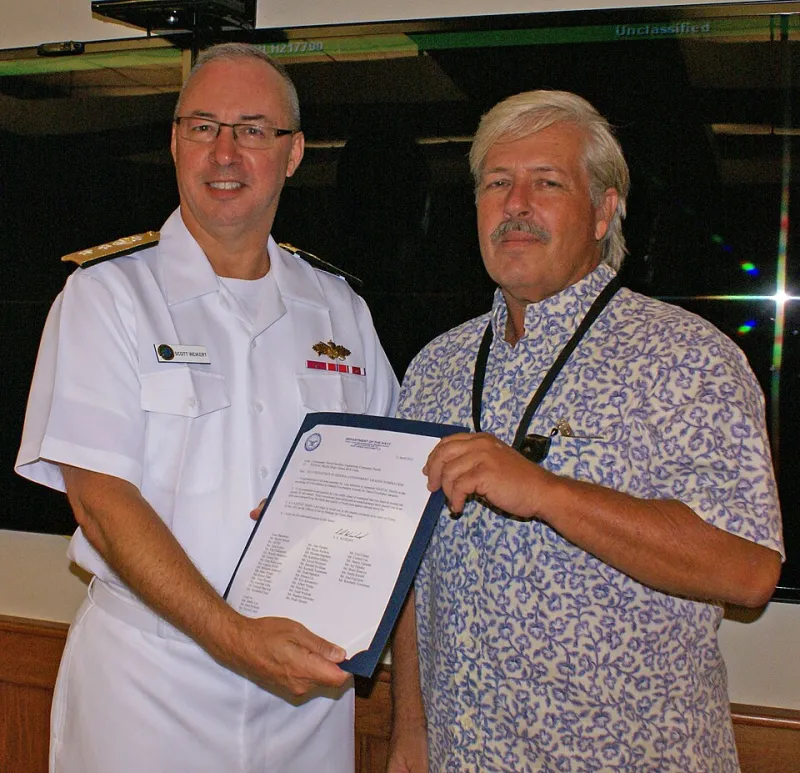
Photo: Dietmar Rabich, CC BY-SA 4.0, via Wikimedia Commons
Not every project that goes sideways arrives at our door with a clean handoff. The engagement we're profiling here — a hypothetical composite drawn from common patterns in mid-size commercial work — began the way many troubled projects do: with a client who had already spent months and significant capital on a renovation that seemed to be moving backward.
The scope was straightforward on paper. A professional services firm occupying three floors of a suburban office building wanted a full refresh: open collaboration zones, updated conference suites, new mechanical distribution on two floors, and a complete rework of the entry sequence. The original contractor had fallen ninety days behind, deliveries were arriving out of sequence, and the trades on site were working at cross purposes. The client faced a lease-related deadline that left roughly nine weeks to recover the schedule.
Diagnosing the Real Problem
The instinct on a delayed project is to push harder — more crews, longer days, faster decisions. That approach often makes things worse. Before committing to a recovery plan, we spent the first week doing something unglamorous: auditing.
We rebuilt the procurement log and discovered that the critical path ran through long-lead electrical gear and custom millwork, neither of which had been ordered with confirmed ship dates. We mapped the physical sequence of work and found that the flooring subcontractor had been scheduled into areas where ceiling close-up wasn't complete — a coordination failure that had quietly idled crews for weeks. And we reviewed the original contract documents, which revealed that several owner decisions had never been formally documented, leaving trades to build to conflicting assumptions.
None of these problems was exotic. That's the point. Most schedule failures on mid-size commercial work are accumulations of small administrative gaps, not single dramatic mistakes.
Rebuilding the Schedule Around Constraints, Not Optimism
With the diagnosis complete, we constructed a recovery schedule that worked backward from the immovable deadline. The principles were simple:
- Protect the critical path. Electrical gear was re-sourced through a secondary distributor with a verified delivery window. Millwork was partially re-sequenced so field measurements could release shop drawings earlier.
- Zone the floors. Rather than running trades floor by floor, we divided the space into six work zones, allowing ceiling, electrical, and flooring crews to progress in parallel where physical conditions permitted.
- Hold a daily coordination huddle. Fifteen minutes, standing, on site. Every trade lead, every morning. Conflicts surfaced in those huddles were resolved the same day rather than discovered a week later in a punch list.
- Freeze design decisions. The client agreed to a formal change window; no new selections would enter the field without documented cost and schedule impact.
The result: the project reached substantial completion in nine weeks and two days, with the entry sequence — the client's highest-visibility priority — finished on time for a scheduled leadership event.
What the Client Saw
Recovery required additional spending: expedited freight, overtime in two zones, and a re-sequencing premium for the flooring contractor. We presented those costs in a single consolidated recovery budget before work began, so the client could approve the tradeoff between money and time with full information. That transparency — unglamorous, occasionally uncomfortable — is what separates a managed recovery from an open-ended cost overrun.
Lessons We Carry Forward
Every troubled project teaches something transferable. Three principles from this one now shape how United ACS LLC approaches every engagement, including projects that start healthy:
- Procurement is schedule. A construction schedule that doesn't include confirmed delivery dates is a wish list. We tie every long-lead item to a verified order and a tracked shipment from day one.
- Coordination is a daily discipline, not a monthly meeting. Trade stacking is the most common source of idle labor on interior work. Short, frequent, on-site huddles cost almost nothing and prevent most of it.
- Undocumented decisions are deferred disputes. If an owner's choice isn't written down with cost and schedule impact, it will resurface later as a claim. We document in real time, even when it slows the conversation.
Struggling projects are recoverable more often than clients expect — but only when someone is willing to stop, diagnose, and rebuild the plan around real constraints. That discipline is the core of how we deliver commercial work: contracting and consulting, done right.