An Approved Plan Is Not a Permanent Asset: Keeping Permits Alive Through Project Pauses
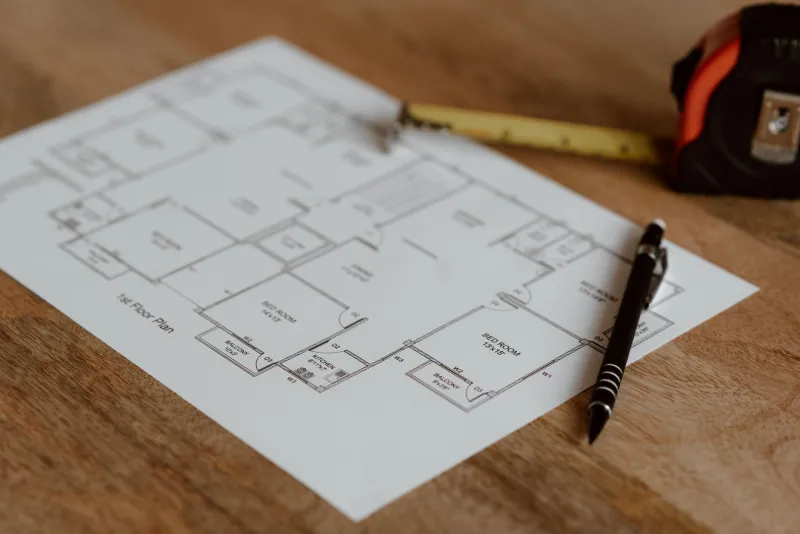
A commercial project can survive a financing delay, a tenant negotiation, or a design revision. It may not survive an expired permit. The approval that took months to secure is usually time-bound, and the clock does not pause because the owner is waiting on capital, a lease, or a revised tenant program. For owners and facility managers, permit expiration belongs on the project schedule beside steel delivery and certificate-of-occupancy milestones, not in a filing cabinet.
The Approval Is Only One Date on the Calendar
A building permit carries more than an issuance date. In most US jurisdictions, it also carries an expiration date, one or more renewal windows, inspection milestones, and conditions that define when work must begin or continue. The exact rules are local. Some building departments require physical work to start within a set period. Others require a minimum level of inspection activity. Some allow an extension if the request arrives before expiration; others treat a lapsed permit as a new application. A few require the permit to be renewed in person, with fees and revised drawings.
The practical point is simple: the date on the permit is not administrative trivia. It is a project control. If the schedule does not show that date, the owner is managing construction without one of its most consequential deadlines.
Vesting Is Not the Same as Expiration
Owners sometimes hear that a project is vested and assume the building permit is safe. Vesting is a separate concept. It generally concerns the rights a project acquires under zoning or land-use rules, and it may be governed by state statute or local ordinance. A building permit can expire even when zoning rights remain vested, and a vested zoning approval does not guarantee that a lapsed building permit will be renewed under the same code edition.
That distinction matters when a project sits idle. If a permit expires and the applicant must resubmit, the review may occur under a newer code cycle. New energy provisions, accessibility details, fire-rated assemblies, or structural criteria can apply. The result is not merely another review fee. It can be a redesign, a revised bid package, and a schedule that loses the very approvals the owner thought were secured.
The Events That Quietly Restart the Clock
Permit expiration rarely announces itself with a single missed deadline. It often arrives through a series of small administrative gaps. The most common include:
- Approval on paper with no physical start within the required period.
- Site work or demolition performed without the inspections that demonstrate continuous progress.
- Long gaps between required inspections, even when the owner intends to resume.
- Tenant changes, design revisions, or scope adjustments that require a revised permit and leave the original permit inactive.
- Failure to request an extension before the renewal window closes.
- Expiration of related approvals, such as zoning, environmental, fire, health, right-of-way, or utility permits.
- Trade permits that are never pulled or are allowed to lapse while the general building permit remains open.
The common thread is evidence. Jurisdictions generally want to see that the project is moving, not merely that the owner intends to move. A calendar reminder is useful, but it is not a substitute for an inspection record or a written extension.
A Simple Permit-Expiration Tracker
A workable tracker does not need to be elaborate. It needs to be reviewed on a fixed cadence and owned by a named person. For each permit, record:
- Permit number and issuing authority.
- Issue date, expiration date, and renewal window.
- Vesting status, if applicable, and the governing approval.
- Required inspections or progress milestones that keep the permit active.
- Code edition locked at issuance, if the jurisdiction confirms one.
- Renewal fees and the name of the contact who can confirm current rules.
- Related approvals that must remain valid.
- Document location for the permit, approved drawings, and inspection records.
- Internal owner and backup owner for monitoring.
A monthly review is enough for most active projects. A project on pause deserves a more disciplined rhythm: 90 days before expiration, confirm the renewal procedure; 60 days out, decide whether to extend, resume, or withdraw; 30 days out, submit the request and pay the fee. The goal is to make the decision before the deadline makes it for you.
Questions to Ask Before You Pause a Job
Before a project goes quiet, the owner should put these questions to the design team, the contractor, and the local building department:
- Does this approval vest, and what exactly does that protect?
- What action tolls expiration: a physical start, a specific inspection, a written request, or something else?
- What constitutes continuous operation under the local rule?
- If the permit lapses, will renewal be allowed, or will a new application be required?
- Will renewal or resubmittal trigger review under a newer code edition?
- Which related permits and approvals expire on their own schedule?
- What fees, inspections, or revised drawings are required to restart the clock?
- Who is responsible for monitoring the date, and who is the backup?
The answers should be documented. A verbal assurance from a counter clerk is not a project record.
When Renewal Is the Wrong Answer
Renewal is not always the cheapest or fastest path. If the scope has changed materially, if the code has moved, or if the original drawings no longer match the tenant program, a new application may be more honest than an extension. The owner should compare renewal fees, review time, code-upgrade costs, and carrying costs against the cost of a fresh submittal. A suspended permit can become a false comfort: it looks like an approved project, but it may no longer be buildable as drawn.
For commercial owners, the discipline is to treat permit expiration as both a schedule risk and a cost risk. The date is knowable. The rules are confirmable. The failure mode is assuming that an approved plan is a permanent asset. It is not. It is an approval with a clock, and the owner's job is to know who is watching it.